《114-2 IB603》Prof. Yenming J. Chen on AI-Driven Pre-Disaster Planning and Vulnerability Analysis
Written by Tina Lien (Teaching Assistant, IBMBA)
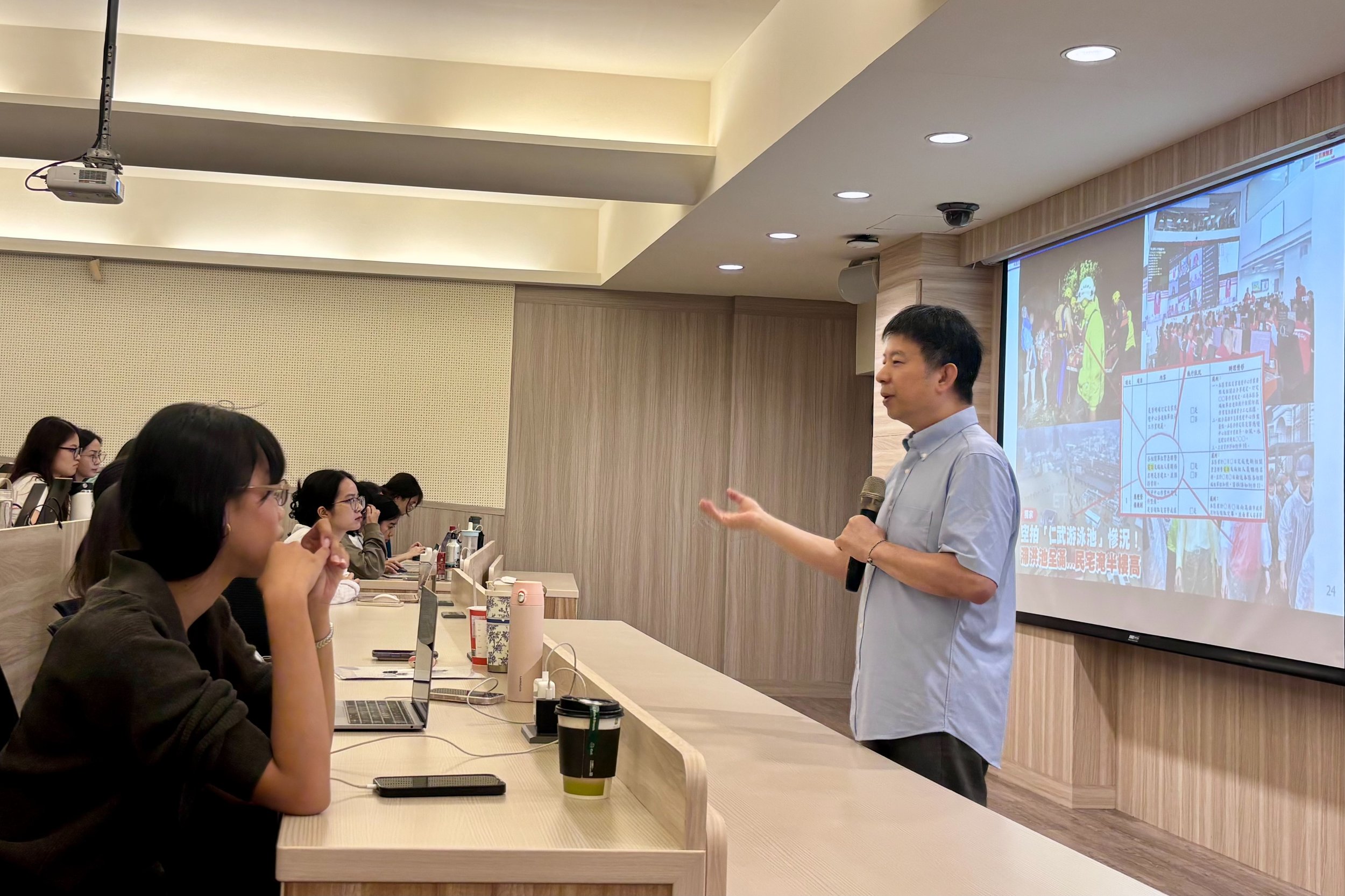
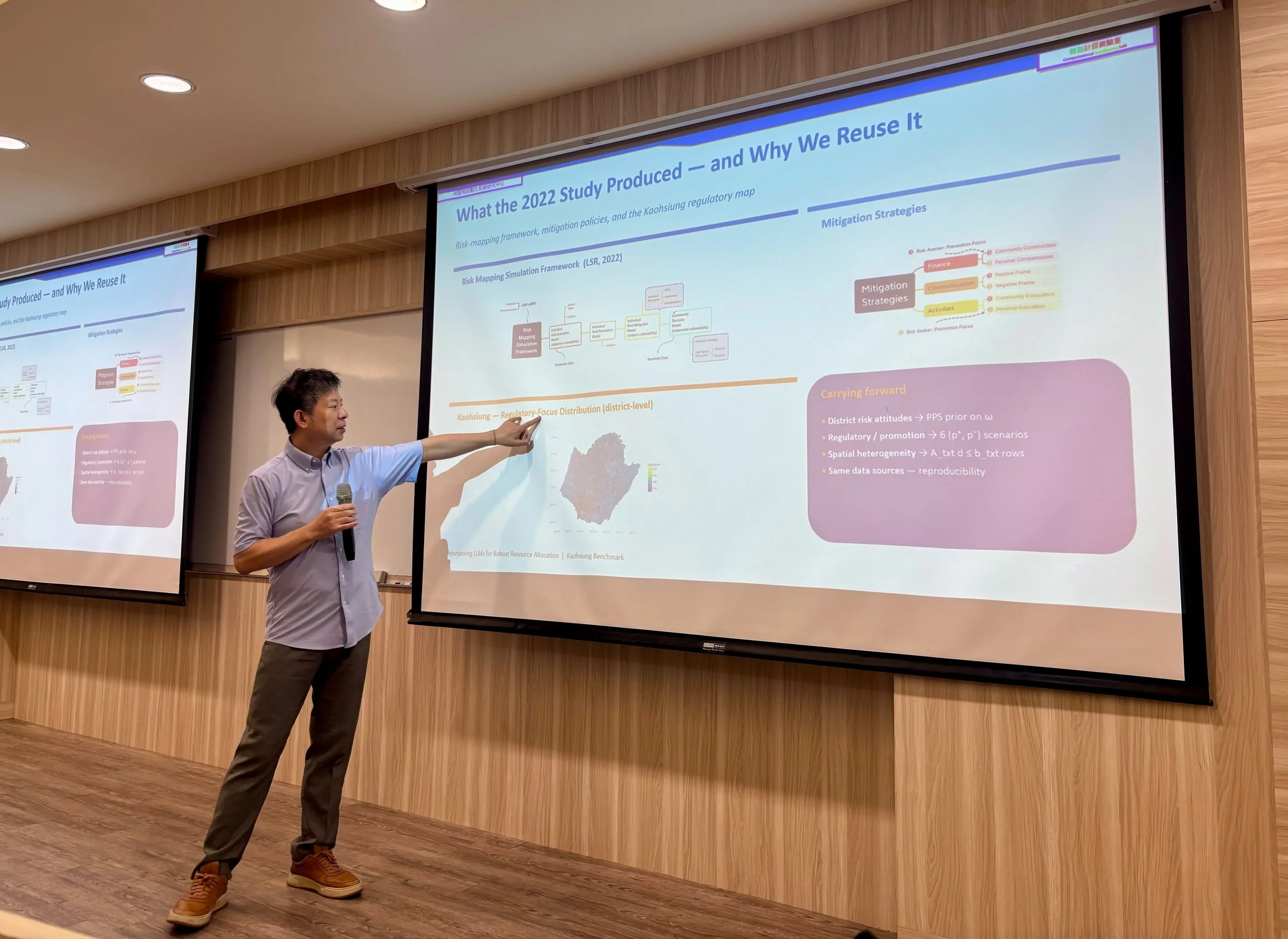
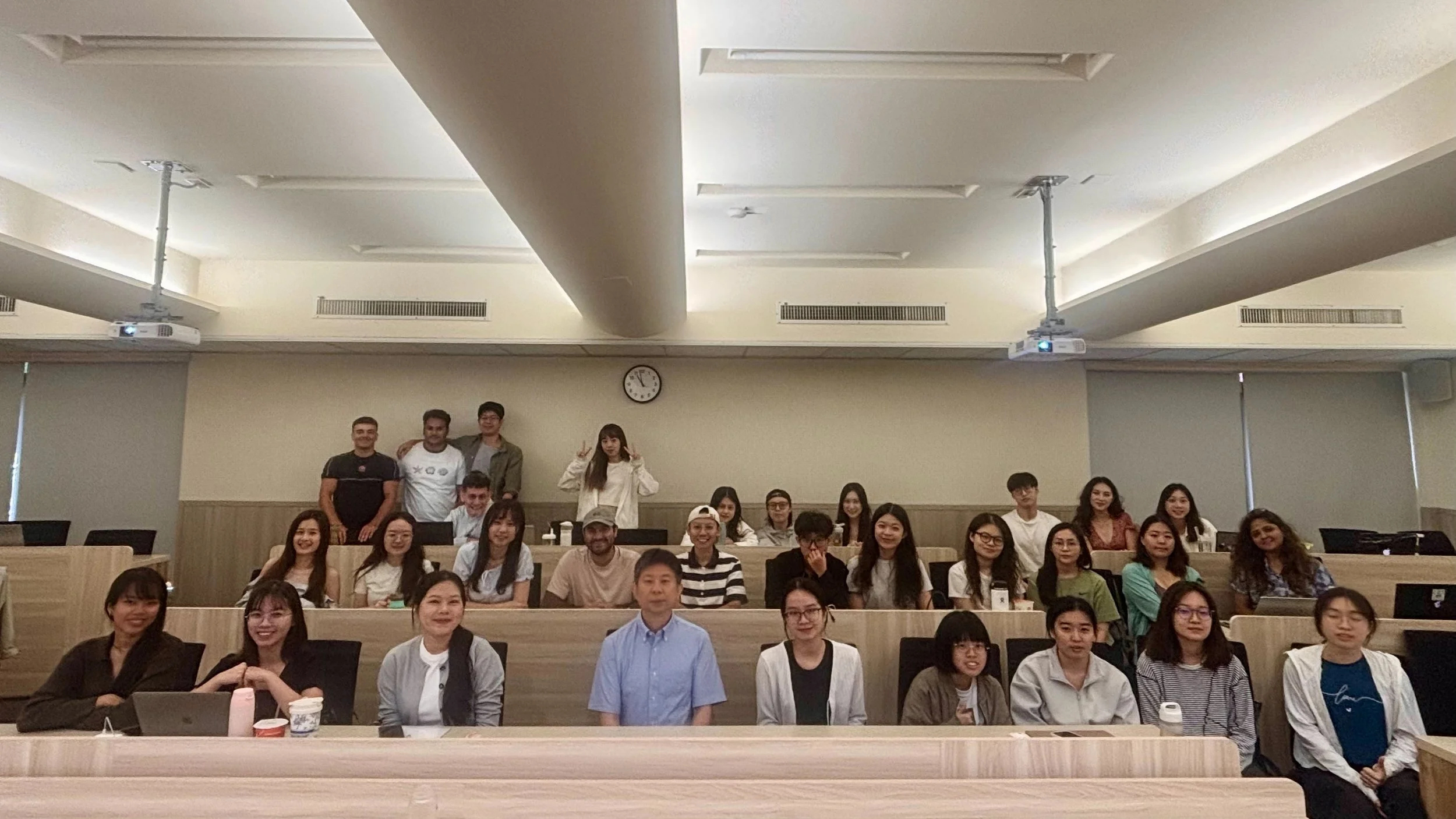
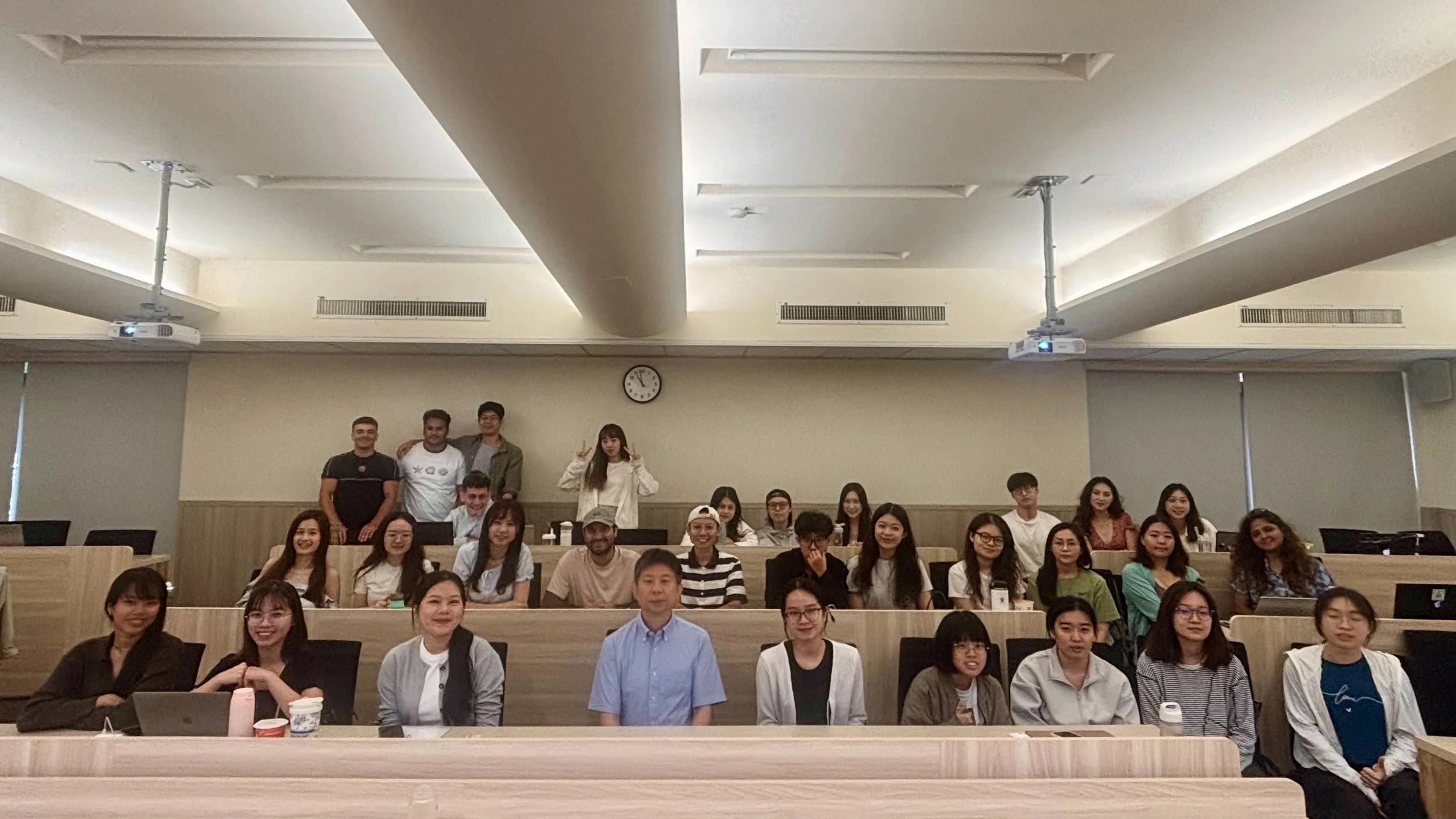
On April 29, the Global Supply Chain Management class at National Sun Yat-sen University, led by Prof. Yu-Cheng Yang, hosted Prof. Yenming J. Chen of the Department of Information Management at National Kaohsiung University of Science and Technology (NKUST). He presented his research on pre-disaster emergency planning. The topic reflects a growing focus on how AI-driven approaches can support decision-making in complex and uncertain environments.
Prof. Chen began by introducing the concept of vulnerability in disaster management, explaining how hazards such as storms, floods, and earthquakes can affect supply chains, industries, and society. He noted that these impacts are shaped by a range of factors, including socio-economic conditions, land use, and environmental characteristics.
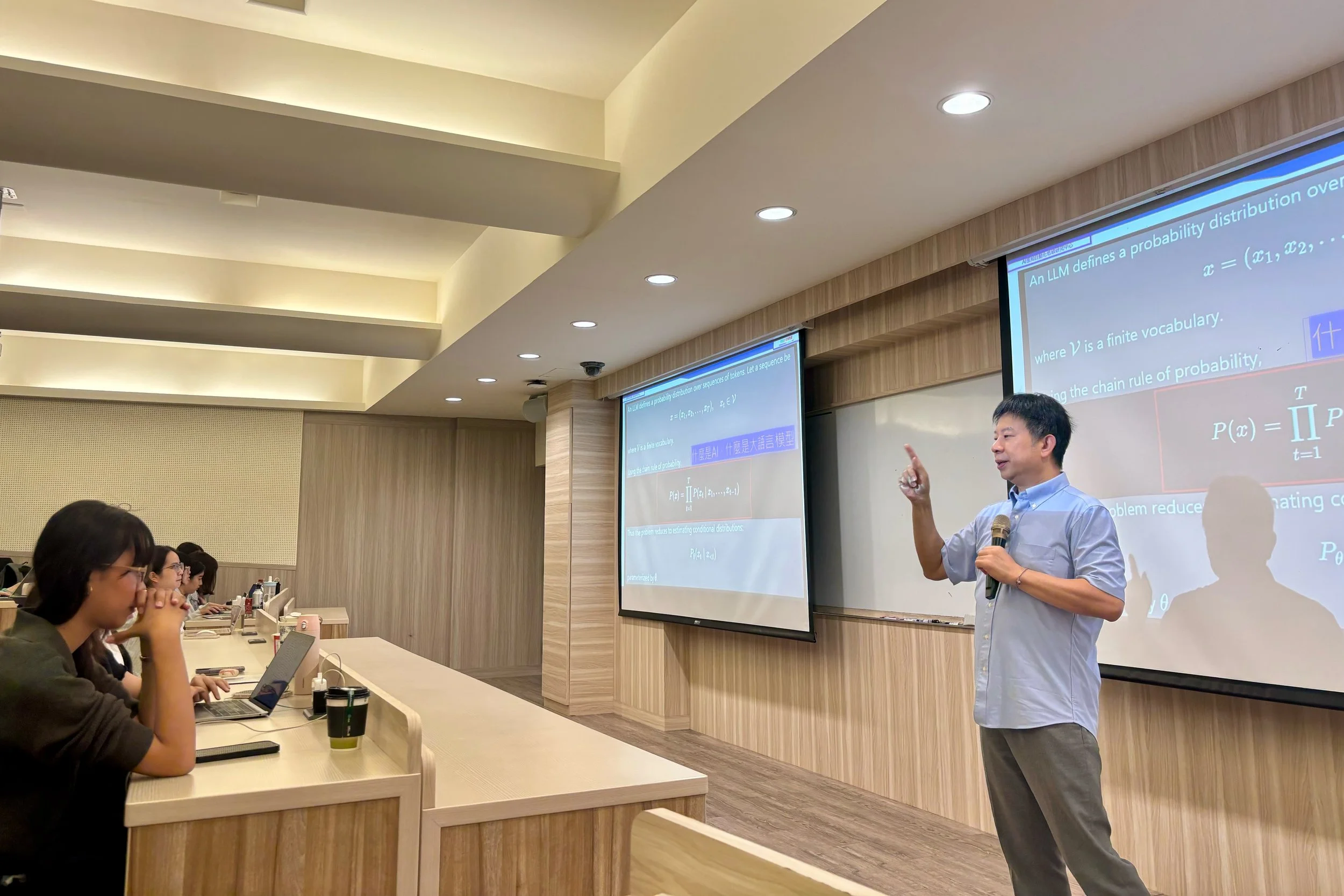
Through interactive discussions, he highlighted that real-world disaster decisions are often made under severe time pressure and resource constraints. Conventional approaches, he noted, tend to treat regions in a uniform manner, overlooking important local differences and leading to inefficiencies in resource allocation. To address this challenge, Prof. Chen demonstrated how large language models (LLMs) can be used to incorporate tacit local knowledge, such as incident reports, community observations, and expert records, into the decision-making process. By translating unstructured information into structured inputs, LLMs enable more context-aware and systematic analysis.
Echoing this perspective, students raised questions about how AI tools such as Claude and other commercial AI products can support quantitative analysis and be applied in academic research. Responding with enthusiasm and clarity, Prof. Chen, who also serves as director of NKUST’s AI Predictive Automation Research Centre (APARC), highlighted that the value of AI does not lie in the tools themselves, but in how effectively they are applied to meaningful and complex problem-solving. He encouraged students to move beyond using AI as a mere convenience and instead to engage with it as a tool for deeper enquiry.
Prof. Chen further stressed that while AI can enhance efficiency and support analysis, it cannot replace the intellectual responsibility of the researcher. Meaningful innovation, he noted, ultimately stems from human insight, curiosity, and sustained engagement with a well-defined problem. Overall, the session provided students with a practical perspective on how complex and uncertain situations can be approached through more structured, data-driven decision-making—— an approach they can apply to their future careers.